A Closer Look: "Summertime" Through the Lens of Glendale Shoals

While "Summertime" is one of the most recorded songs since its premiere in 1935, the history behind it is often muddled. It comes from George Gershwin's opera Porgy and Bess with lyrics by DuBose Heyward, author of the original novel Porgy about a disabled street beggar in the black tenements of my hometown, Charleston, SC. In the summer of 1934, Heyward convinced Gershwin to visit the Lowcountry to observe Gullah customs and attend African American spirituals at black churches across the Lowcountry. He stayed six weeks in a beachfront cabin on Folly Island, where he drew inspiration from the landscape and culture for his American folk opera. Folly was different then; the iconic bridge hadn't been built yet, and it reminded Gershwin of a "battered South Sea Island". He wrote about it here in a letter to a friend...
"This place is different from any place I’ve seen or lived in before . . . it’s been hard for me to work here as the wild waves, playing the role of the siren, beckon me every time I get stuck which is often and I, like a weak sailor, turn to them causing many hours to be knocked into a thousand useless bits.”
While George Gershwin composed the music, DuBose Heyward was the librettist who worked with George's older brother Ira to provide song lyrics. The tune of Summertime, however, can be traced back to an African American Spiritual "Sometimes I feel Like a Motherless Child".
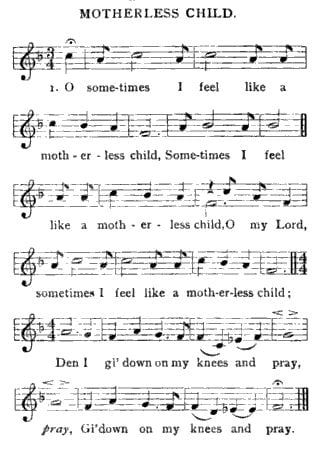 |
| First print edition of "Motherless Child", 1899 |
Gershwin and Heyward drew huge inspiration from the lowcountry landscape, both environmental and cultural. This reveals a fundamental truth that music and our interpretation of it are often a translation of place. As individual listeners, we hear and understand music in terms of our place, subconsciously conjuring images of our own past experiences and landscapes familiar to us.
We can apply this principle to a place we all know, Glendale Shoals. With the skeleton of the old textile mill and water roaring through rocks in the distance, we can listen to "Summertime" through the lens of Glendale. The long grass is a habitat for hundreds of clicking, buzzing, bugs and insects as the trees and skies are home to calling birds, each with their own song. Envisioning the motion and sensations of this familiar place gives our listening the emotional weight felt by the composers in their own landscape.
Comments
Post a Comment